Science communication is not one skill. It’s a system.
Communicating science today is not just about simplifying content.
It is about understanding who you are speaking to, the context in which communication takes place, and how people make sense of information, data, and evidence.
Our training offer is built around this idea. Rather than isolated courses, we propose a modular system of competencies that can be combined and adapted to different professional and institutional needs.
The system is organised into three interconnected learning paths:
Talk, Present, and Visualize.
Each one addresses a fundamental dimension of science communication.
Each pathway can be followed independently or combined with others to create tailored learning trajectories. Together, they form a coherent system designed to support science communication across disciplines, institutions, and real-world contexts.

Foundations of adaptive science communication
The core course provides the conceptual foundations shared by all advanced modules.
It is not audience-specific and not format-specific. Instead, it focuses on the underlying principles that make scientific communication effective, adaptable, and intentional.
The course explores how people process, interpret, and act on scientific information, addressing framing, cognitive load, implicit assumptions, and the use of narrative and visual tools as instruments for thinking, not decoration.
This course represents the ideal starting point for building robust, transferable communication skills.

› Decision makers & Funders
› Researchers
› Multi-audience settings
› Next-gen learners (Alpha & early Beta)
› in contexts of distrust
TALK — Adapting science to audiences
The Talk pathway focuses on who you are communicating with.
Different audiences bring different expectations, priorities, values, and cognitive frames. Effective science communication starts by recognising these differences and designing messages accordingly.
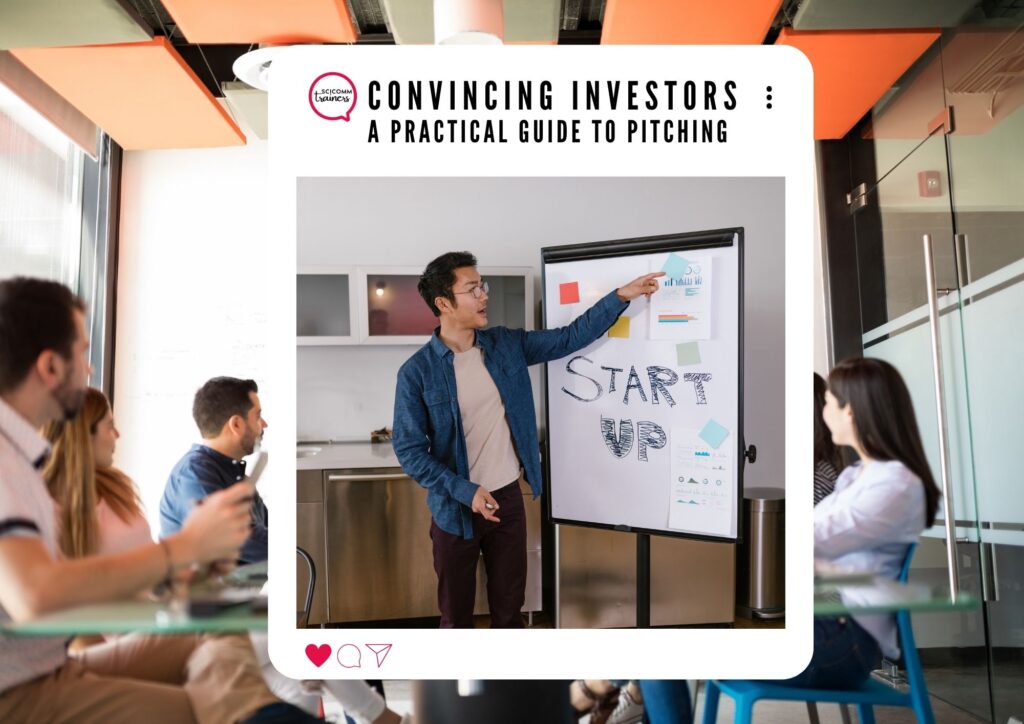
This pathway explores how to communicate science with researchers, decision-makers and funders, heterogeneous and mixed audiences, and new generations growing up in highly digital and algorithmic environments. The emphasis is on dialogue, strategic framing, and intentional adaptation rather than one-size-fits-all messaging.

› At scientific conferences
› In interdisciplinary settings
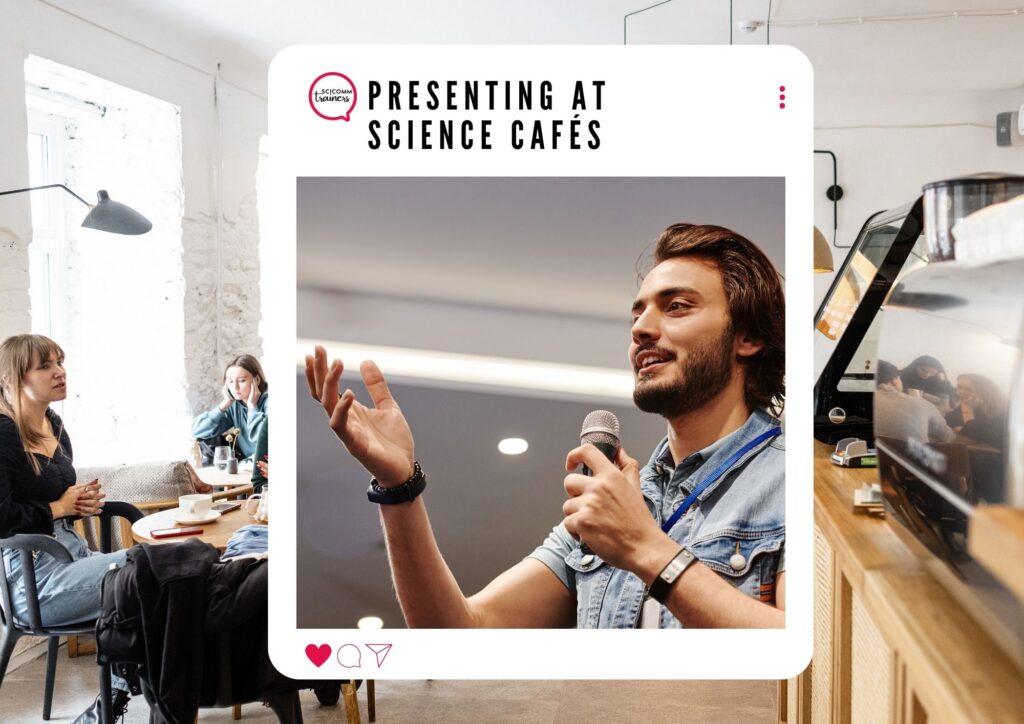
› At science cafés & public talks
› To non-captive audiences
› Online
PRESENT — Communicating science in context
The Present pathway focuses on where and how communication happens.
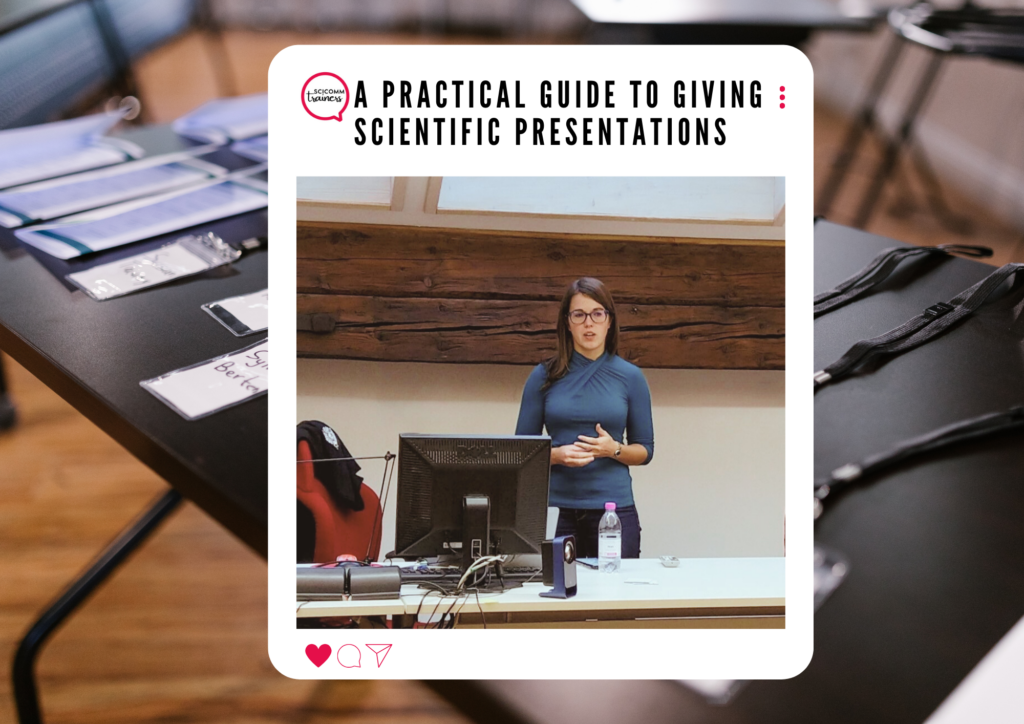
Scientific conferences, interdisciplinary settings, science cafés, public events, and online environments each come with their own implicit rules, attention dynamics, and expectations.
This pathway helps participants understand how context shapes perception and engagement, and how to design presentations that work within — and sometimes gently challenge — those conventions. The goal is not performance for its own sake, but clarity, relevance, and memorability across different settings.

› Data (from numbers to meaning)
› Structure (making logic visible)
› Meaning (from information to understanding)
› Complexity (without oversimplifying)
› Inclusion (designing for diverse users)
VISUALIZE — Designing understanding
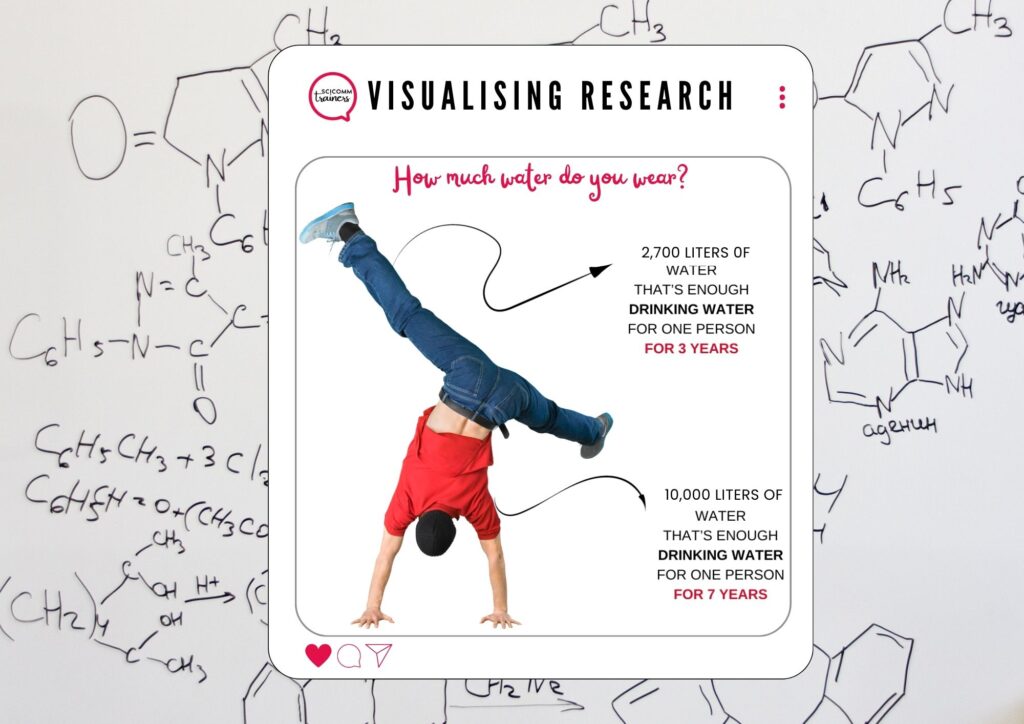
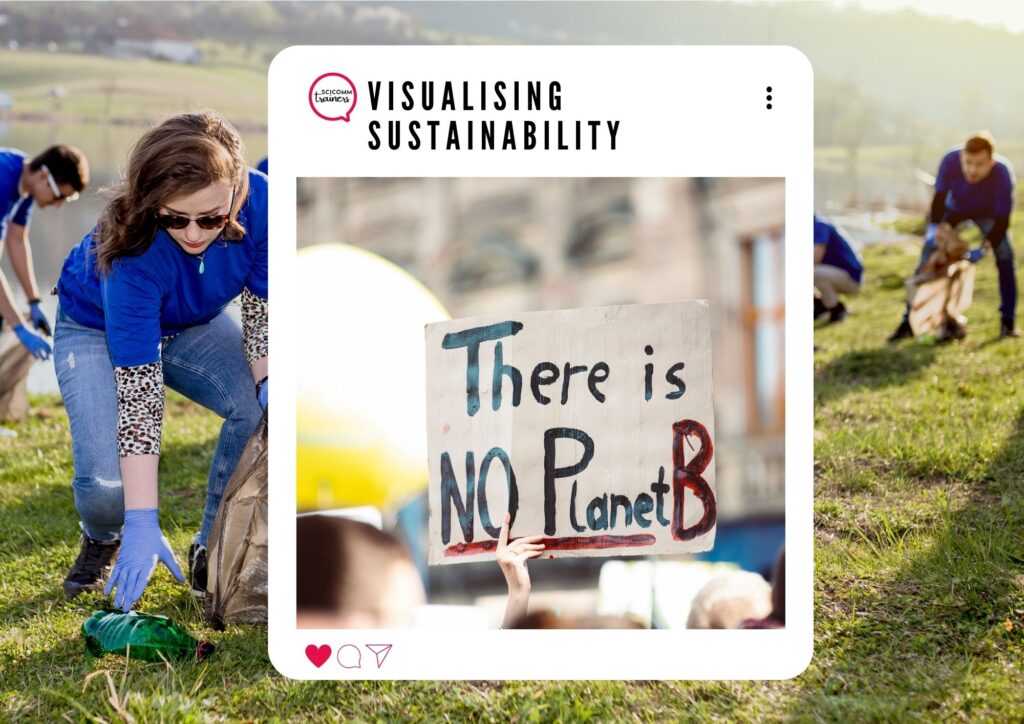
The Visualize pathway focuses on how meaning is made visible.
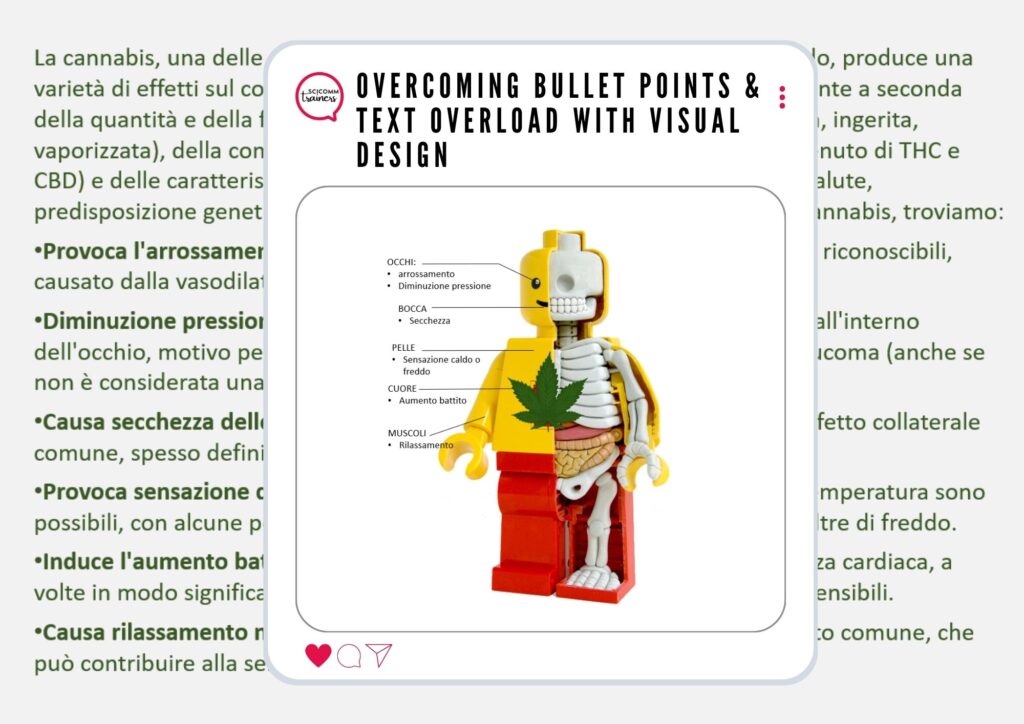
Visuals are not decorative elements added at the end of the process; they are cognitive tools that shape how information is understood, compared, and remembered.
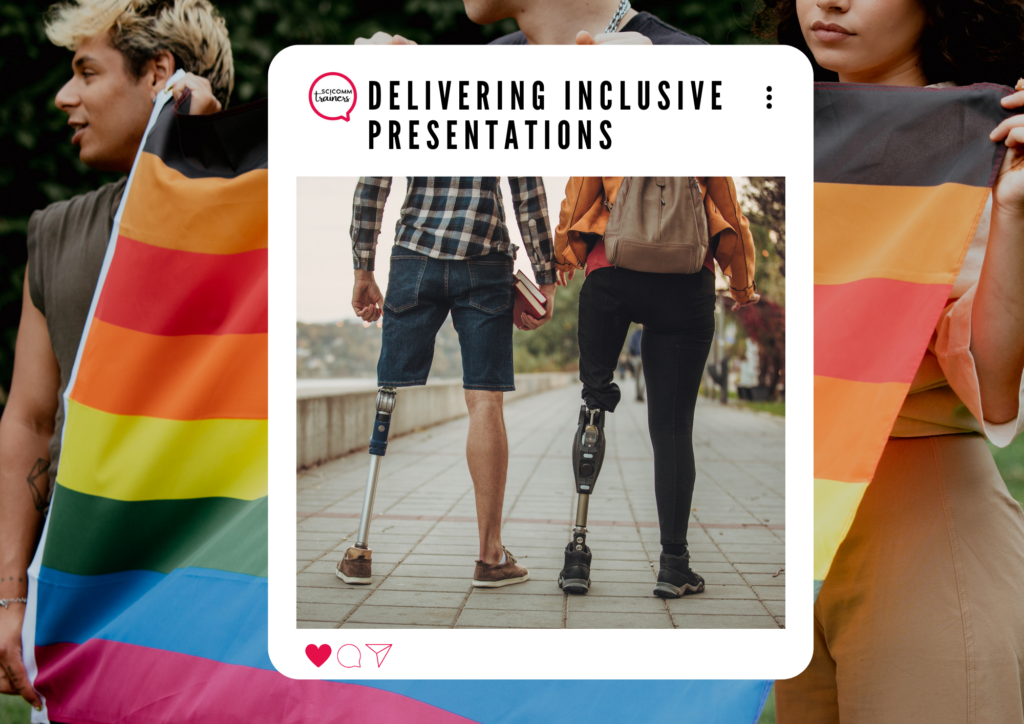
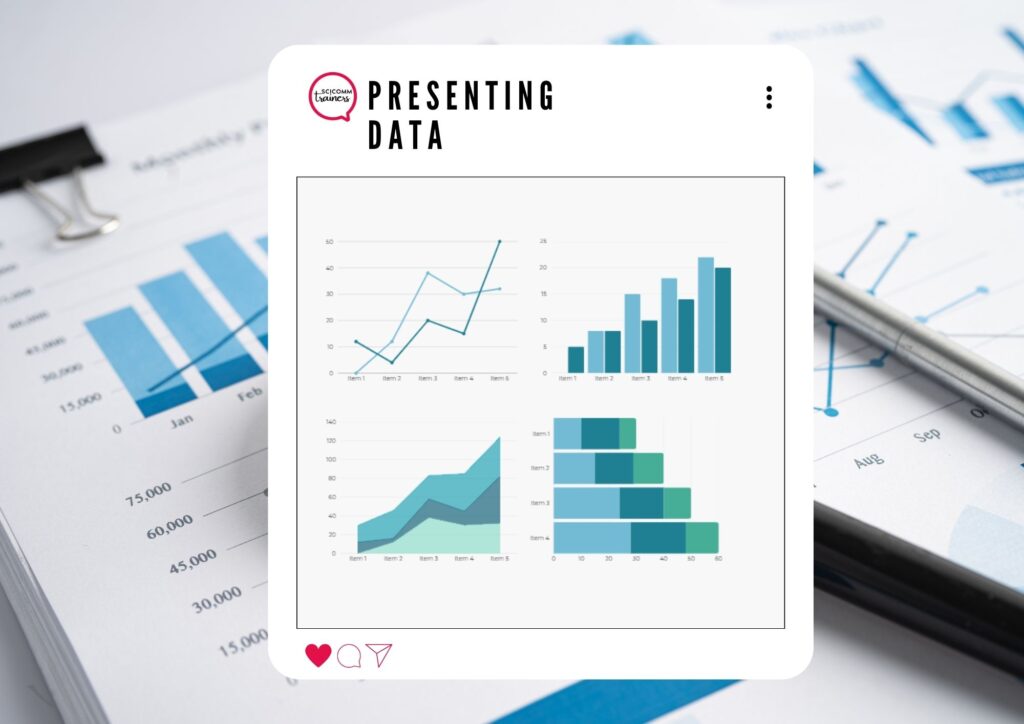
This pathway addresses the visualization of data, structure, complexity, meaning, and inclusion. It covers dashboards, scientific presentations, posters, and conceptual representations, with a strong emphasis on visual hierarchy, cognitive load, and responsible design choices. The aim is to support understanding without oversimplifying complexity.

The Masterclasses are stand-alone, advanced courses for participants who already have a foundation in science communication and want to deepen specific skills, tackle complex scenarios, or work on high-stakes challenges.
Each masterclass focuses on a clearly defined problem — from evaluating communication impact in EU-funded research to handling negativity and conflict on social media, from advanced reporting and metrics to strategic decision-making under uncertainty.
While each masterclass has a clear core focus, programmes are tailored to the specific needs, contexts, and objectives of the client. This allows the content to be adapted to different institutional settings, professional roles, and real-world constraints.
These courses are short, focused, and practice-oriented.
They do not cover the basics. Instead, they provide tools, frameworks, and critical perspectives for those who already communicate science and want to do it more strategically, more responsibly, and more effectively.